


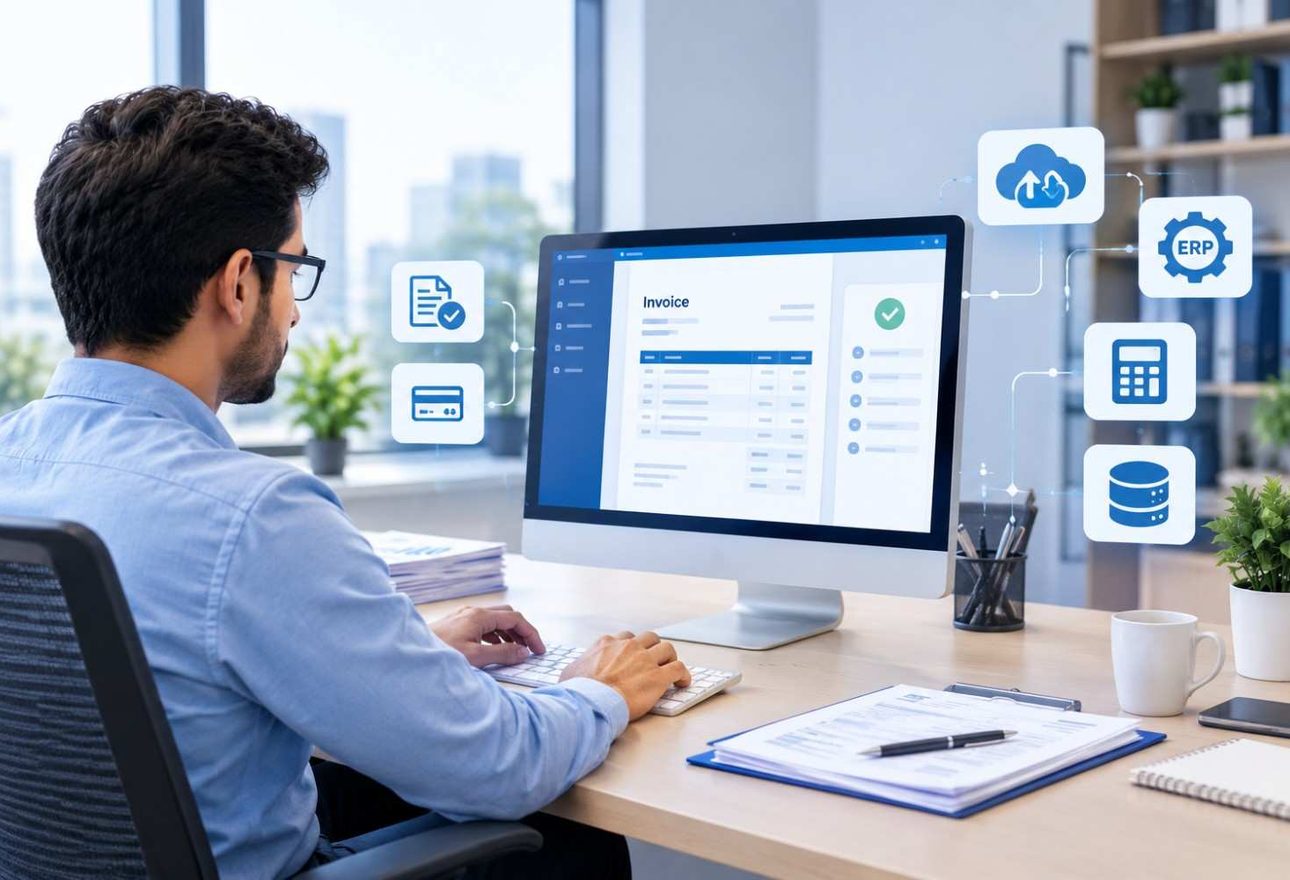
Philippines e-invoicing is accelerating the country’s digital tax transformation through the Bureau of Internal Revenue’s Electronic Invoicing System (EIS). Businesses covered by the mandate must prepare for significant changes in how invoices are created, reported, transmitted, and archived.
The implementation of BIR EIS is designed to improve tax transparency, strengthen compliance monitoring, and enable electronic sales reporting through structured invoice data. The system serves as the BIR platform for electronic invoicing, receipting, and sales data reporting.
For finance, tax, and IT teams, understanding the requirements early is essential. This guide explains how the Philippine electronic invoicing framework works, who must comply, key reporting obligations, invoice formats, and preparation strategies for 2026.
What Is BIR EIS and How Does Electronic Invoicing Work?
The Electronic Invoicing System is the Bureau of Internal Revenue’s platform for receiving, validating, and storing electronic transaction data. The platform supports government efforts to digitize tax administration and improve reporting efficiency.
Under electronic invoice Philippines, businesses generate invoices electronically using approved accounting, billing, ERP, or point-of-sale systems and submit transaction information digitally.
Unlike paper documents, electronic invoices contain machine-readable information that allows systems to automatically process, validate, and store invoice data.
This approach reduces manual intervention while improving reporting accuracy and transaction visibility.
Many organizations view electronic invoicing as both a compliance requirement and an opportunity to modernize their financial operations.
Who Must Comply With the Philippines E-Invoicing Mandate?
The mandate applies to specific taxpayer groups identified by the Bureau of Internal Revenue.
Current implementation guidance identifies large taxpayers, e-commerce businesses, and users of computerized accounting or invoicing systems among the covered groups.
For organizations affected by BIR e invoicing, compliance readiness may require upgrades to existing MYOB accounting and invoicing systems to support structured invoice data and electronic reporting workflows.
Businesses operating across multiple branches should assess whether all locations fall within reporting obligations.
Even companies that are not immediately covered should continue monitoring future implementation phases and regulatory updates.
Determining compliance status early helps organizations create realistic implementation timelines and budgets.
What Is the BIR EIS Compliance Deadline for Taxpayers?
Businesses must understand implementation timelines to avoid compliance risks.
Published guidance indicates that covered taxpayers are expected to comply with electronic invoicing requirements by December 31, 2026.
Meeting an e invoice compliance deadline requires more than purchasing software. Companies must prepare business processes, upgrade systems, improve data quality, and complete testing activities, including reviewing Magento e-commerce invoicing workflows to support accurate transaction data and invoice processing.
Successful implementation often requires close collaboration between finance, tax, operations, and IT departments.
Organizations that start preparations early generally have more time to resolve integration challenges and process gaps.
A structured implementation roadmap can significantly improve readiness before mandatory deadlines arrive.
What Invoice Data Must Businesses Submit to the BIR?
Electronic invoicing requires businesses to submit structured transaction information rather than simple document images.
A compliant Philippines tax invoice typically contains seller information, buyer details, invoice references, transaction dates, product or service descriptions, tax information, and transaction values. Businesses using Shopify POS e-invoicing Integration workflows can review their sales transaction data and invoice records to support accurate documentation and reporting.
This data allows regulatory authorities to validate transactions and improve reporting oversight.
Businesses should evaluate the completeness and accuracy of existing invoice data before implementation begins.
Master data management becomes particularly important because inaccurate invoice information may create reporting issues.
Why Does BIR EIS Require Structured Electronic Invoices?
Strong data governance practices can reduce errors and improve long-term compliance performance.
Structured invoices are easier for software applications to process automatically.
The BIR EIS framework relies on structured data because it supports automated validation, reporting, and analysis without requiring manual document review. Businesses can explore Affinity e-invoicing integration to understand how invoice data can be managed across connected business systems and reporting workflows.
Traditional paper invoices and static PDF files are primarily designed for human interpretation rather than system-to-system communication.
Structured invoice formats improve data quality and reduce the risk of transcription errors.
Organizations can also benefit from faster reconciliation processes and improved financial visibility.
For regulators, structured data supports more efficient monitoring and compliance management.
How Does Electronic Sales Reporting Work Under EIS?
Electronic sales reporting forms a core part of the digital invoicing framework.
Through electronic invoice Philippines, transaction information generated during invoicing activities is transmitted electronically for reporting purposes.
The process typically begins when a sale is completed and an invoice is generated in a business application.
Invoice information is converted into the required format before submission through approved reporting channels.
Electronic reporting helps improve reporting consistency while reducing dependence on manual processes.
Businesses can also gain better visibility into reported transactions through automated reporting workflows.
What Role Does JSON Play in BIR Electronic Invoicing?
JSON, or JavaScript Object Notation, is widely used for representing structured invoice information.
Implementation guidance describes invoice reporting through structured JSON data formats.
Within BIR e invoicing, JSON provides a standardized structure that enables different applications to exchange invoice information efficiently. Businesses using Microsoft Dynamics 365 Commerce can review how commerce transaction data and invoicing workflows can support structured data exchange and electronic reporting processes.
Data elements such as customer records, invoice totals, transaction dates, and tax amounts can be organized consistently.
This standardized approach helps ERP systems communicate more effectively with reporting platforms.
JSON also supports automation initiatives by improving interoperability across different technologies.
How Are Electronic Invoices Transmitted Through BIR EIS?
Transmission occurs through secure electronic communication between business systems and reporting platforms.
An e invoice compliance process generally starts with invoice creation inside an ERP, accounting, billing, or point-of-sale application.
The invoice is converted into the required structured format and validated before submission.
After transmission, the receiving platform validates the submitted information and returns a processing response.
Organizations should monitor transmission results to identify errors and ensure successful reporting.
Automated transmission processes reduce administrative workload and help improve operational efficiency.
What Records Must Businesses Retain for BIR Compliance?
Electronic invoicing introduces significant recordkeeping responsibilities.
Organizations operating under a Philippines tax invoice framework should maintain invoice records, submission logs, validation responses, audit trails, and supporting documentation. Businesses can also explore e-invoicing software in Germany to learn about electronic invoice processing, digital reporting workflows, and invoice record management.
Accurate record retention helps businesses respond efficiently to audits, reviews, and compliance assessments.
Archived information should remain secure, accessible, and protected against unauthorized modification.
Organizations should also implement backup and recovery procedures to prevent data loss.
Strong recordkeeping practices contribute to long-term compliance success.
How Can Companies Prepare for BIR EIS Implementation?
Implementation readiness requires careful planning across multiple business functions.
Organizations supporting BIR EIS initiatives should begin by assessing their invoicing systems and identifying potential technology gaps.
The next step is reviewing invoice data and mapping information against reporting requirements.
Businesses should evaluate integration capabilities, security requirements, workflow impacts, and employee readiness.
Comprehensive testing should be performed before production deployment to ensure accurate reporting.
Employee training is equally important because operational teams must understand new compliance procedures.
A phased implementation approach often helps reduce project risks and improve adoption success.
Best Practices for BIR EIS Readiness
A successful electronic invoice Philippines strategy extends beyond technical implementation.
Businesses should establish governance frameworks that define ownership, accountability, reporting responsibilities, and monitoring processes.
Data quality validation should be performed regularly to ensure invoice accuracy.
Organizations should also document procedures and create escalation paths for transmission issues.
Continuous improvement practices help maintain compliance as requirements evolve.
Effective governance supports both operational efficiency and regulatory readiness.
Benefits of Electronic Invoicing for Philippine Businesses
The shift toward electronic invoicing offers benefits that extend beyond regulatory compliance.
A modern BIR EIS environment can reduce manual processing activities, improve reporting accuracy, and strengthen internal controls. Explore Abel ERP software for invoicing and financial data management
Organizations often gain better transaction visibility and improved audit readiness.
Automation also supports business growth by reducing administrative effort associated with higher invoice volumes.
Digital processes can improve consistency while simplifying financial reporting activities.
These advantages make electronic invoicing a valuable component of broader business transformation initiatives.
Conclusion
The Philippines continues to move toward a more digital and transparent tax environment. Organizations that prepare early can reduce implementation risks, improve reporting accuracy, and strengthen internal processes.
Achieving readiness requires a combination of technology upgrades, employee training, process improvements, and strong governance. Businesses that take a proactive approach today will be better positioned to adapt to future regulatory changes and operational requirements.
FAQs About Philippines E-Invoicing and BIR EIS
Q: Is a PDF invoice considered compliant under EIS?
No. Structured electronic invoice data is required for automated validation, reporting, processing, and regulatory compliance purposes nationwide today.
Q: Who must comply with electronic invoicing requirements?
Covered taxpayers generally include large businesses, e-commerce entities, and organizations using computerized accounting or invoicing systems.
Q: Why are structured invoices important?
Structured invoices improve data quality, automation, reporting efficiency, compliance management, audit readiness, and operational accuracy significantly.
Q: What is JSON in electronic invoicing?
JSON is a machine-readable format used to organize invoice information for automated processing and electronic transmission efficiently.
Q: What records should businesses retain?
Businesses should retain invoices, transmission records, audit trails, validation responses, and supporting financial documentation securely always.
Q: How should organizations start preparing?
Assess systems, review data quality, plan integrations, perform testing, establish controls, and train employees before implementation.
Source by:
Image by Chatgpt